Back to Portfolio
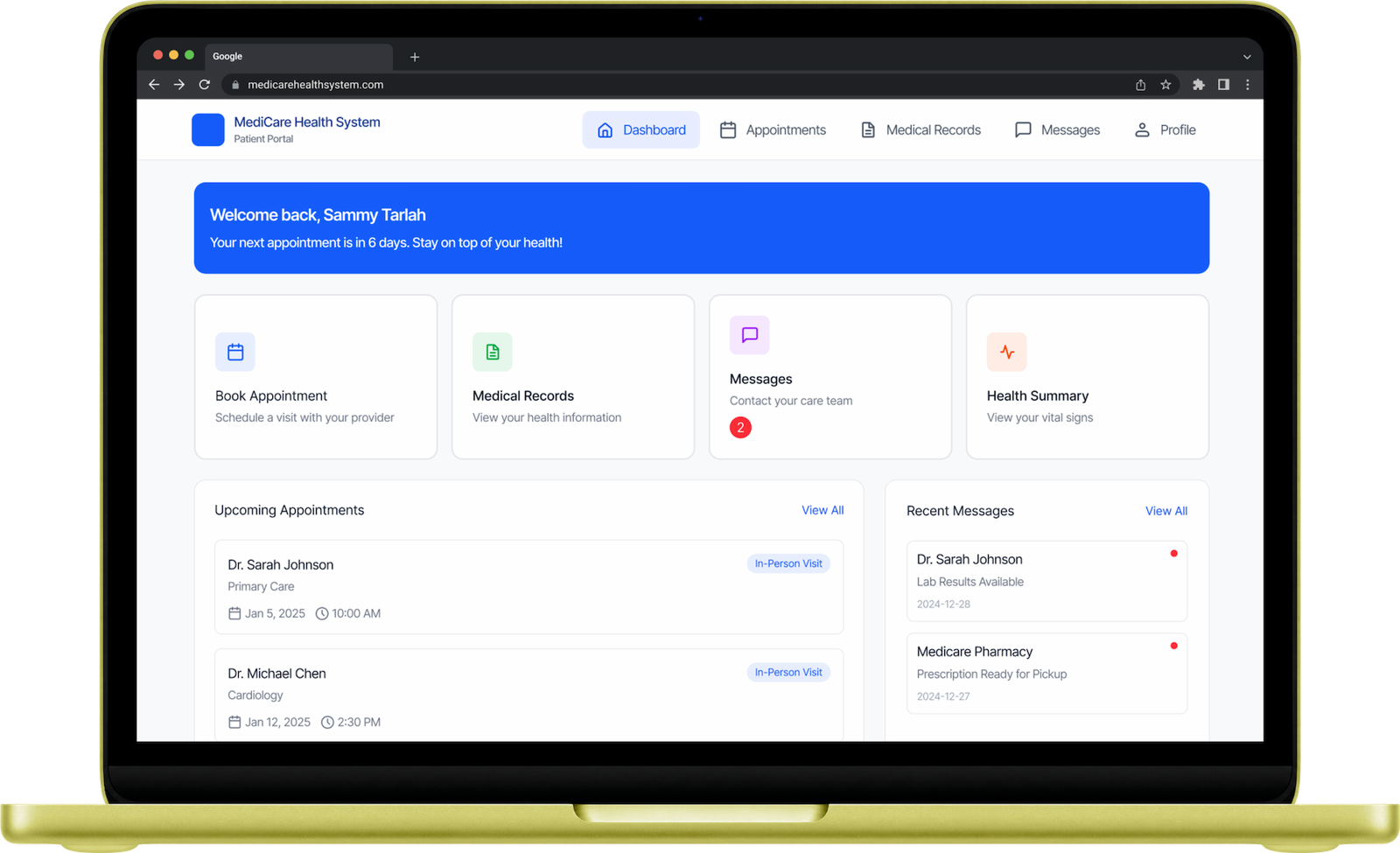
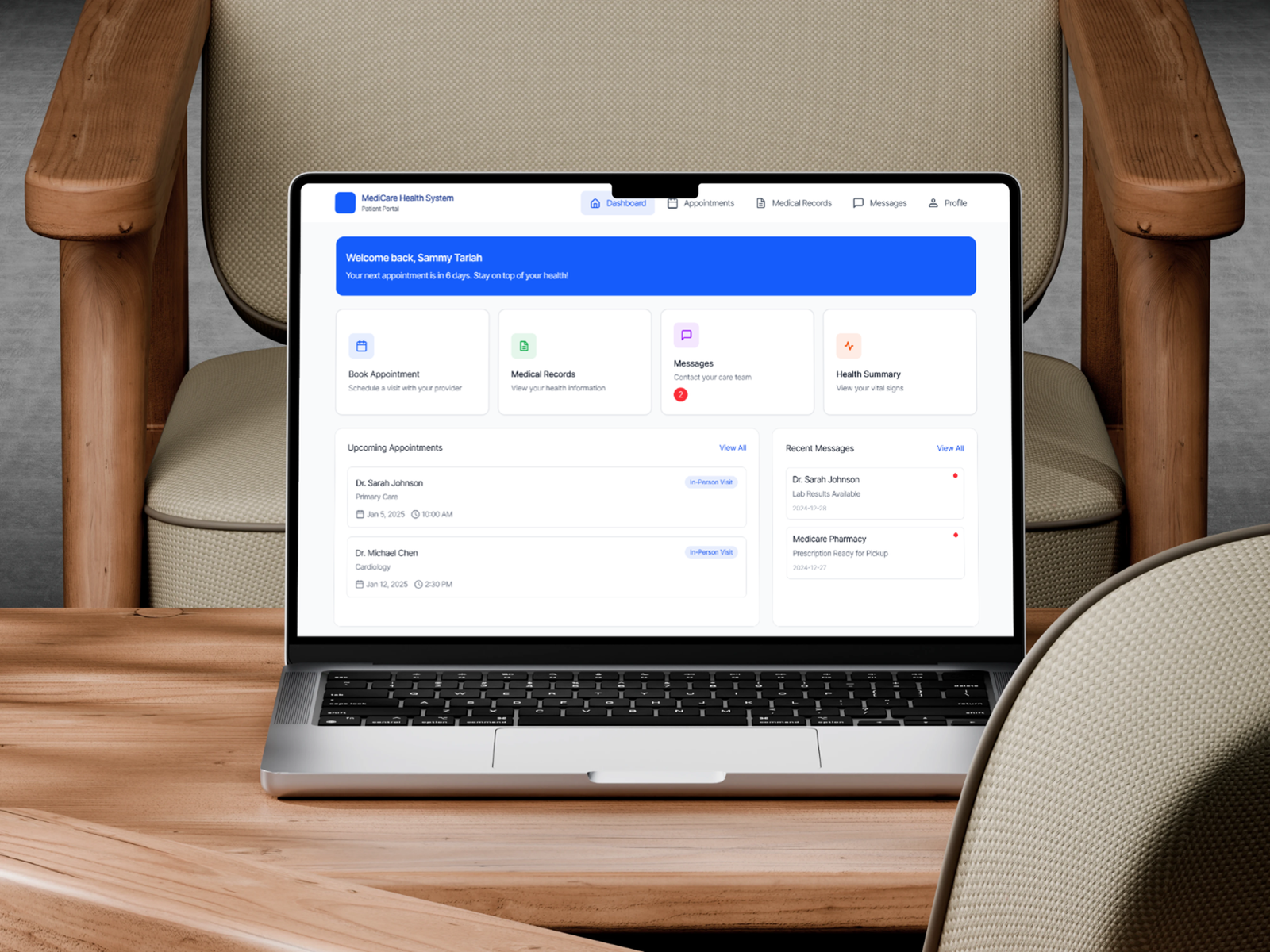
Medicare required a modern patient portal that would help patients access their medical information, schedule appointments, and communicate with healthcare providers.
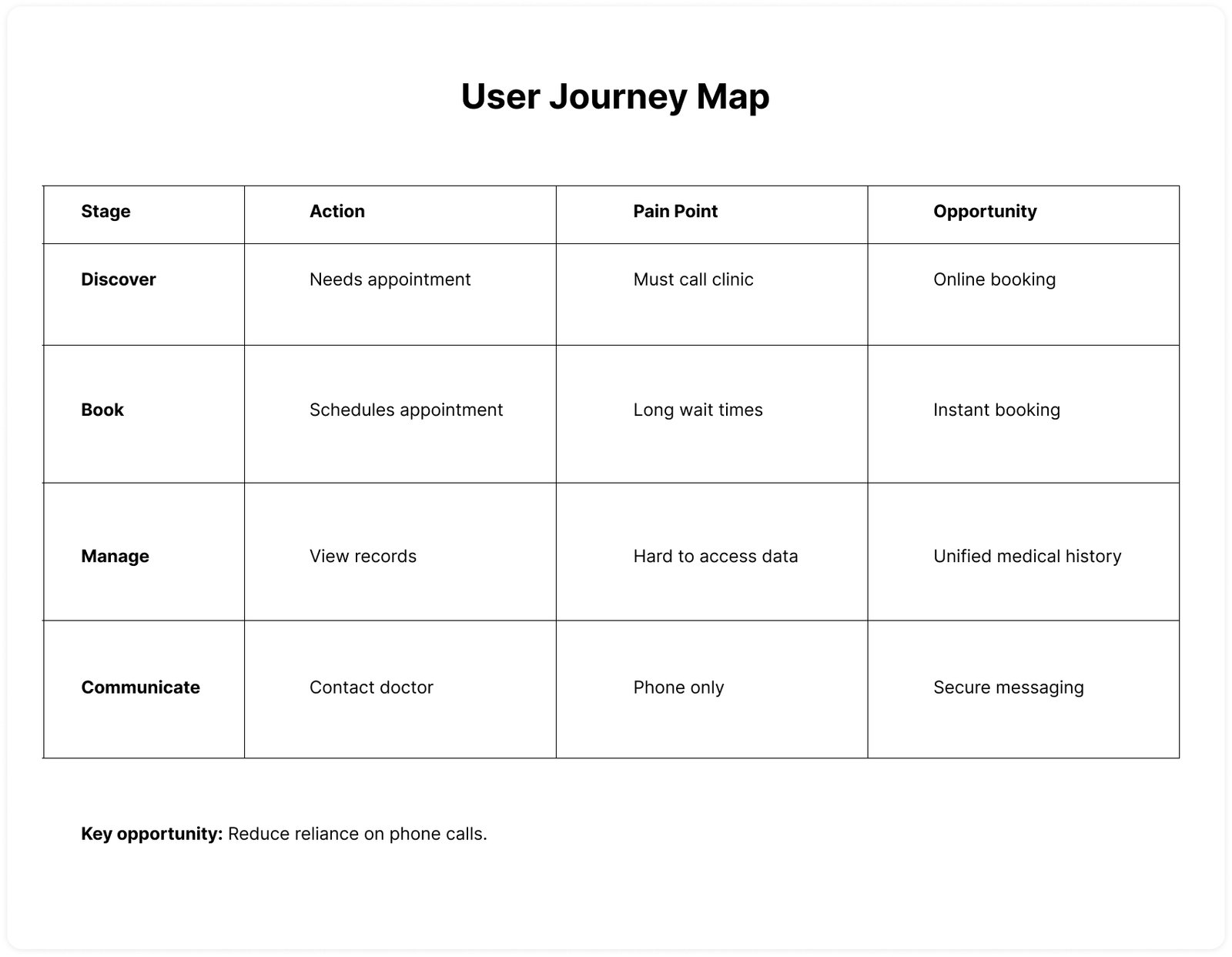
The existing portal had extremely low adoption and forced patients to rely heavily on phone calls to complete simple healthcare tasks.
The goal was to reduce administrative burden while empowering patients to manage their health digitally.
Only 15% of patients used the existing portal.
Patients reported several frustrations:
• Difficult navigation
• No mobile support
• Complex appointment booking
• No easy access to medical records
• Communication with providers required phone calls
This created high administrative workload for clinics and low engagement from patients.


Medicare required a modern patient portal that would help patients access their medical information, schedule appointments, and communicate with healthcare providers.
These principles guided every design decision.
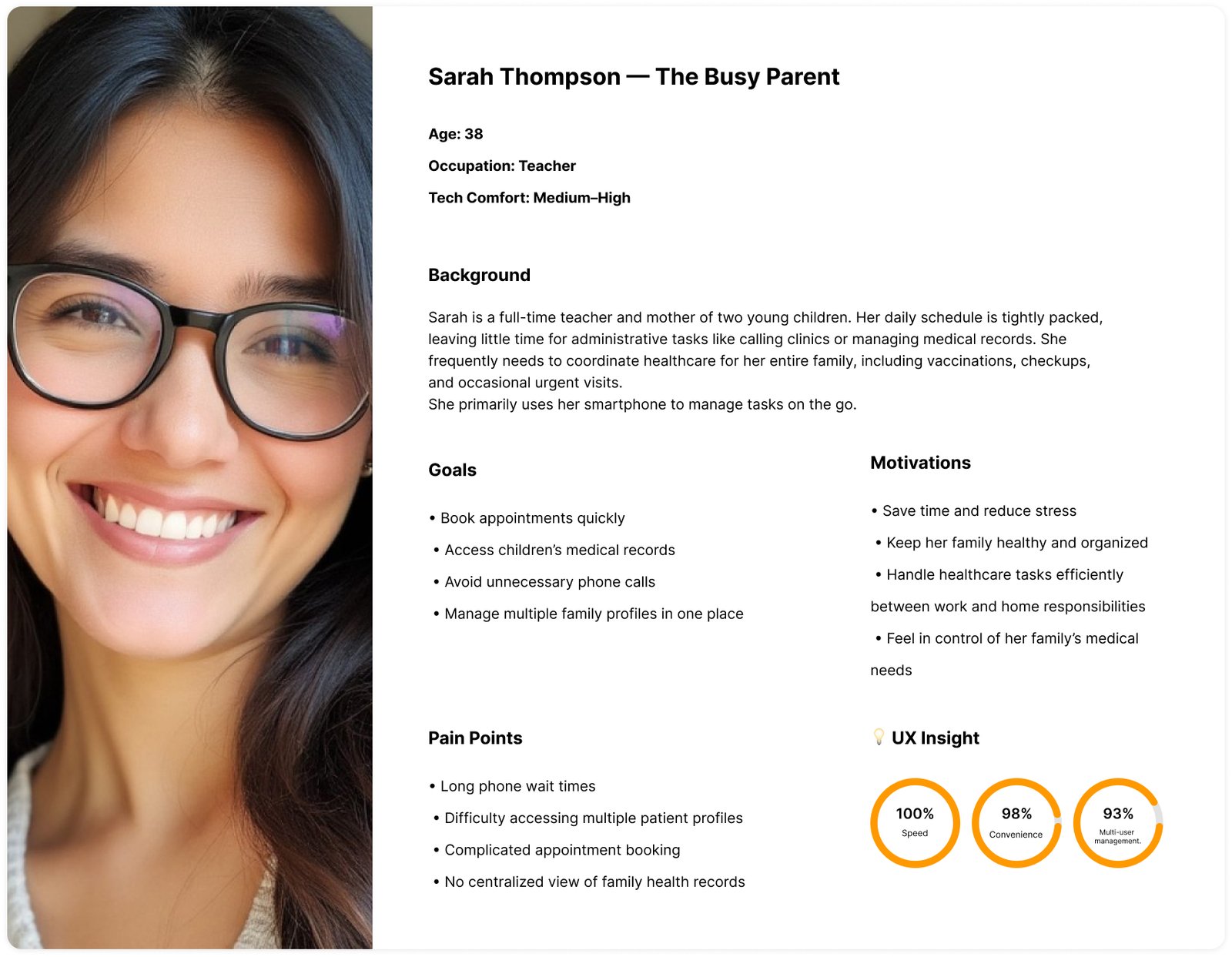
Healthcare tasks should require as few steps as possible.
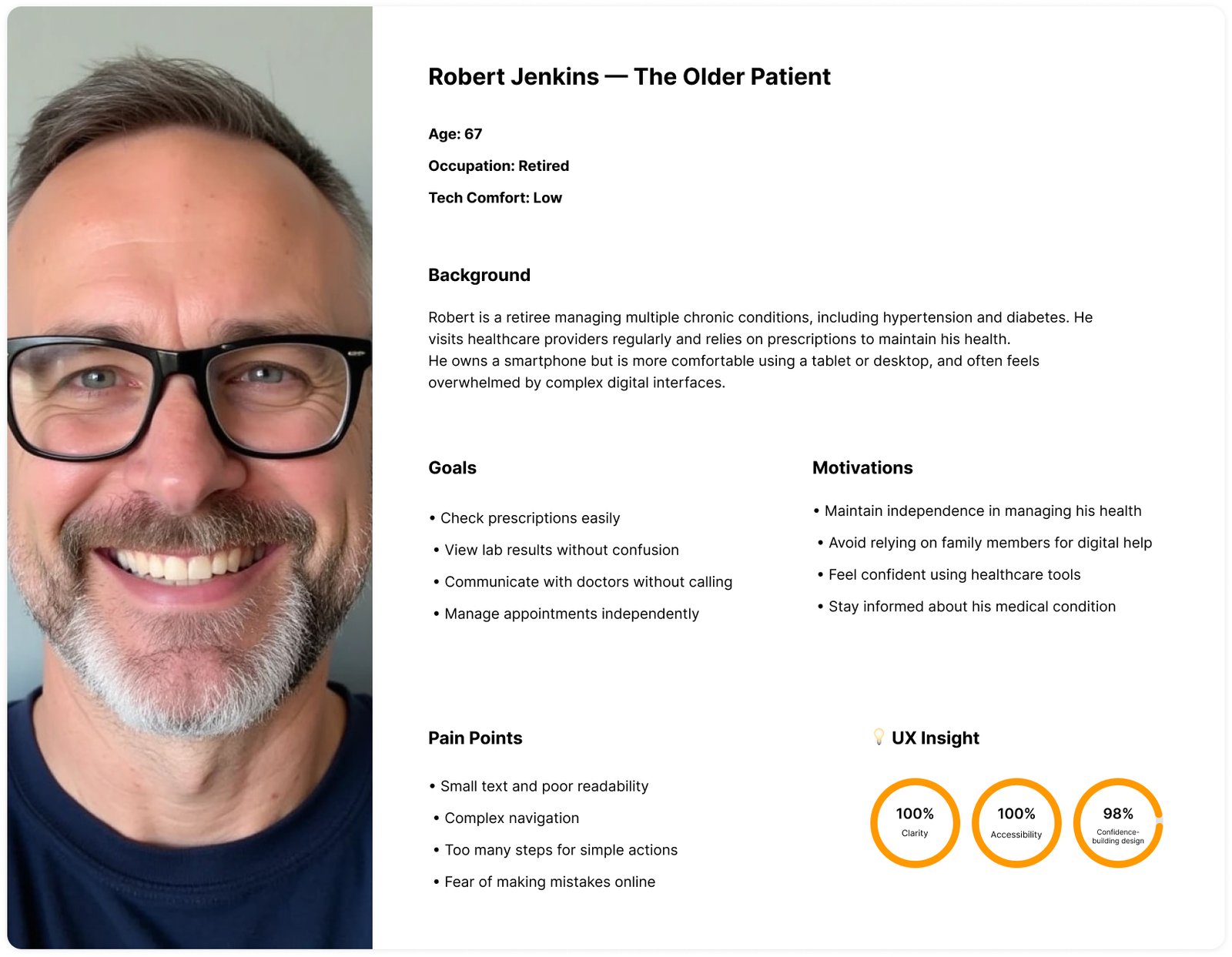
Design for older adults and low digital literacy.
Show essential information first, while keeping advanced options accessible.
Patients must feel confident and secure when accessing medical data.

I want convenience.
Booking appointments through phone calls feels outdated.

I struggle a lot with navigation.

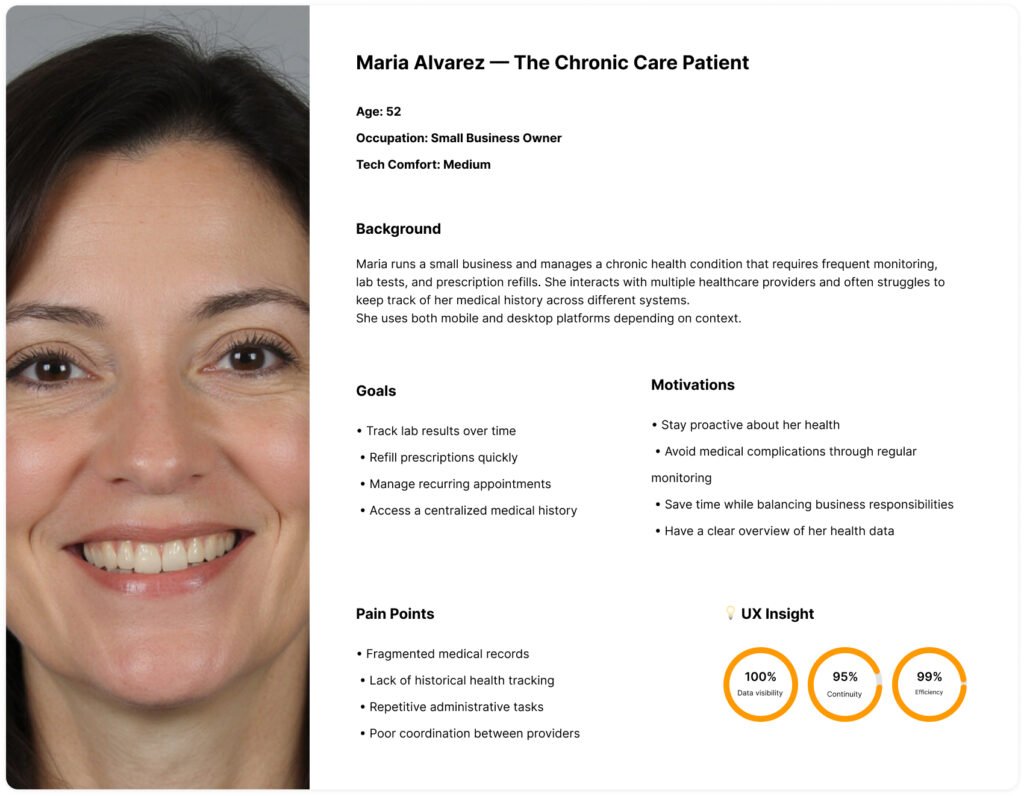
Mobile access is essential.
I prefer managing my health using my phone.
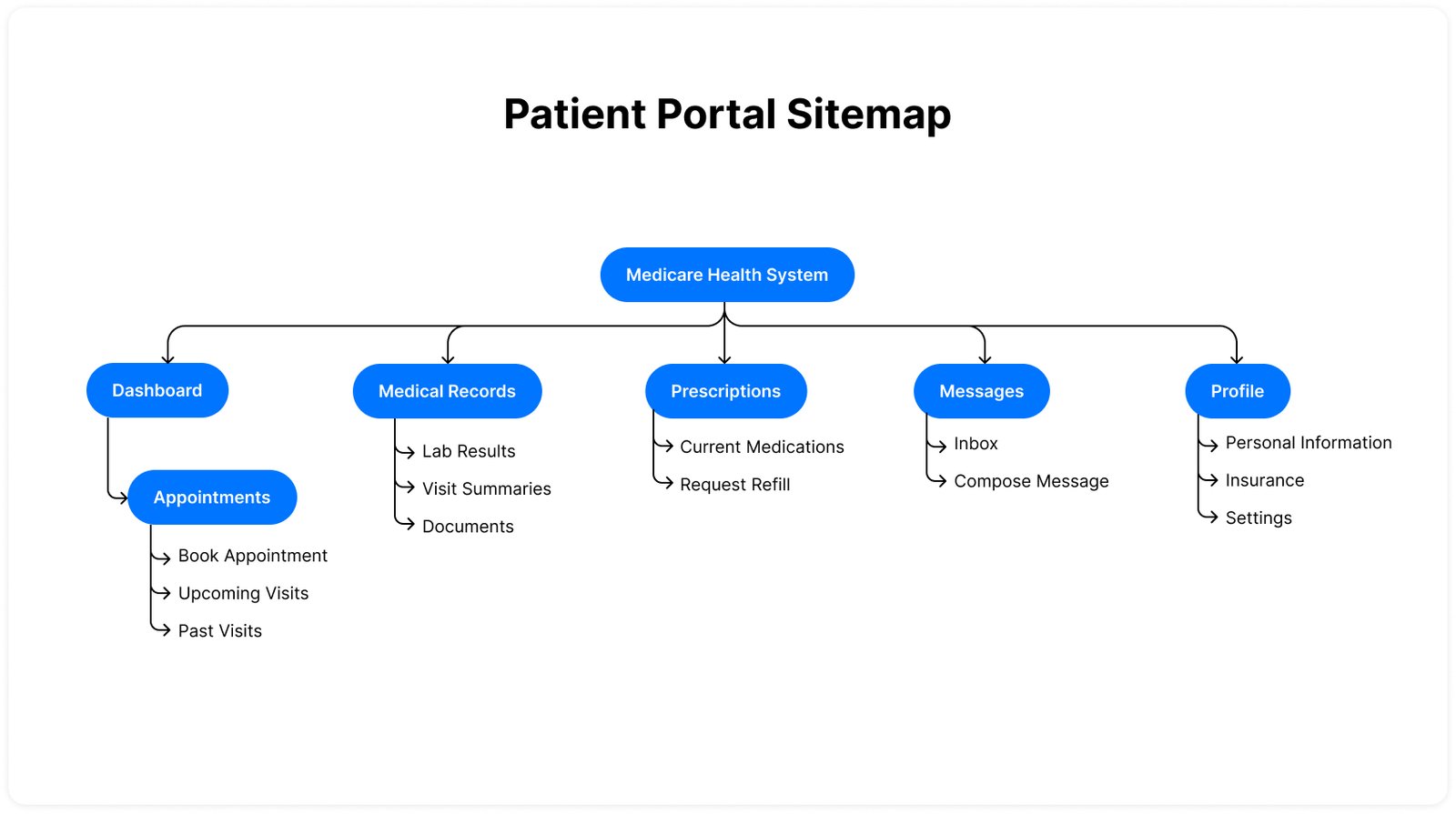
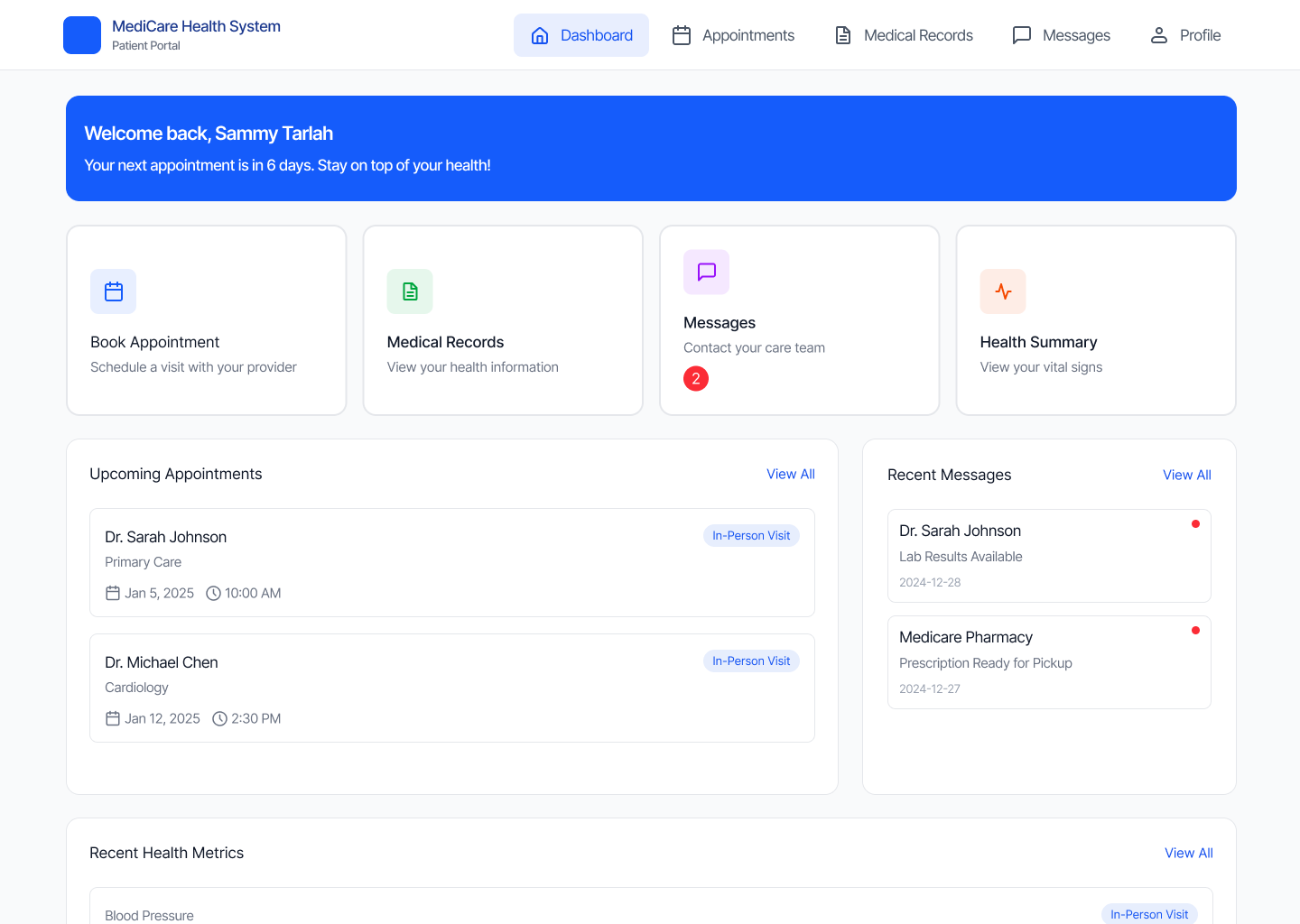
A simplified structure was created to reduce navigation complexity, which ensured patients could access core tasks within 1–2 clicks.
Medical portals often overwhelm users with complex information.
The solution was progressive disclosure, showing the most important actions first.
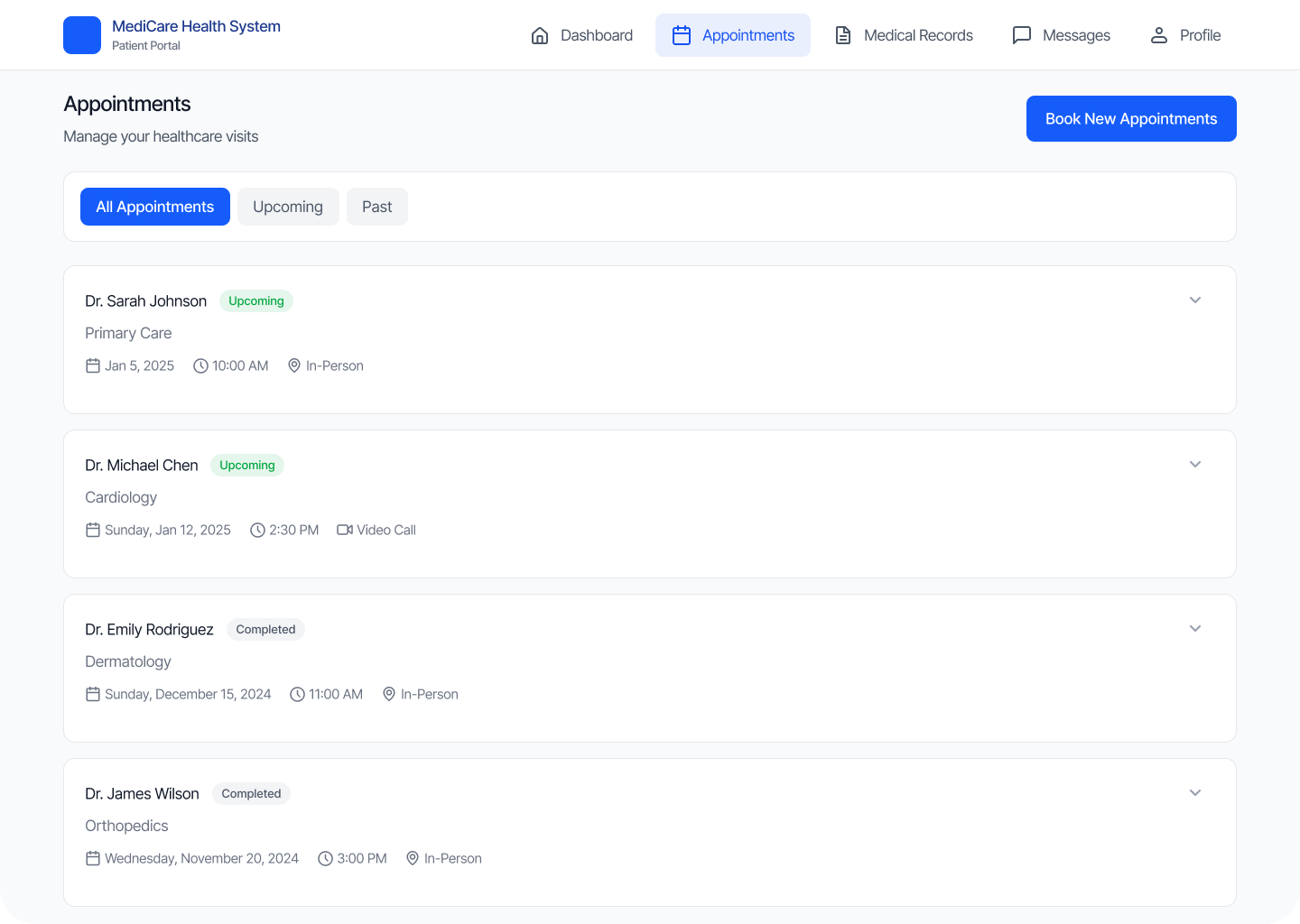
Booking was redesigned as a 3-step flow.
Choose provider
Select date/time
Confirm appointment
This replaced the previous 8-step process.
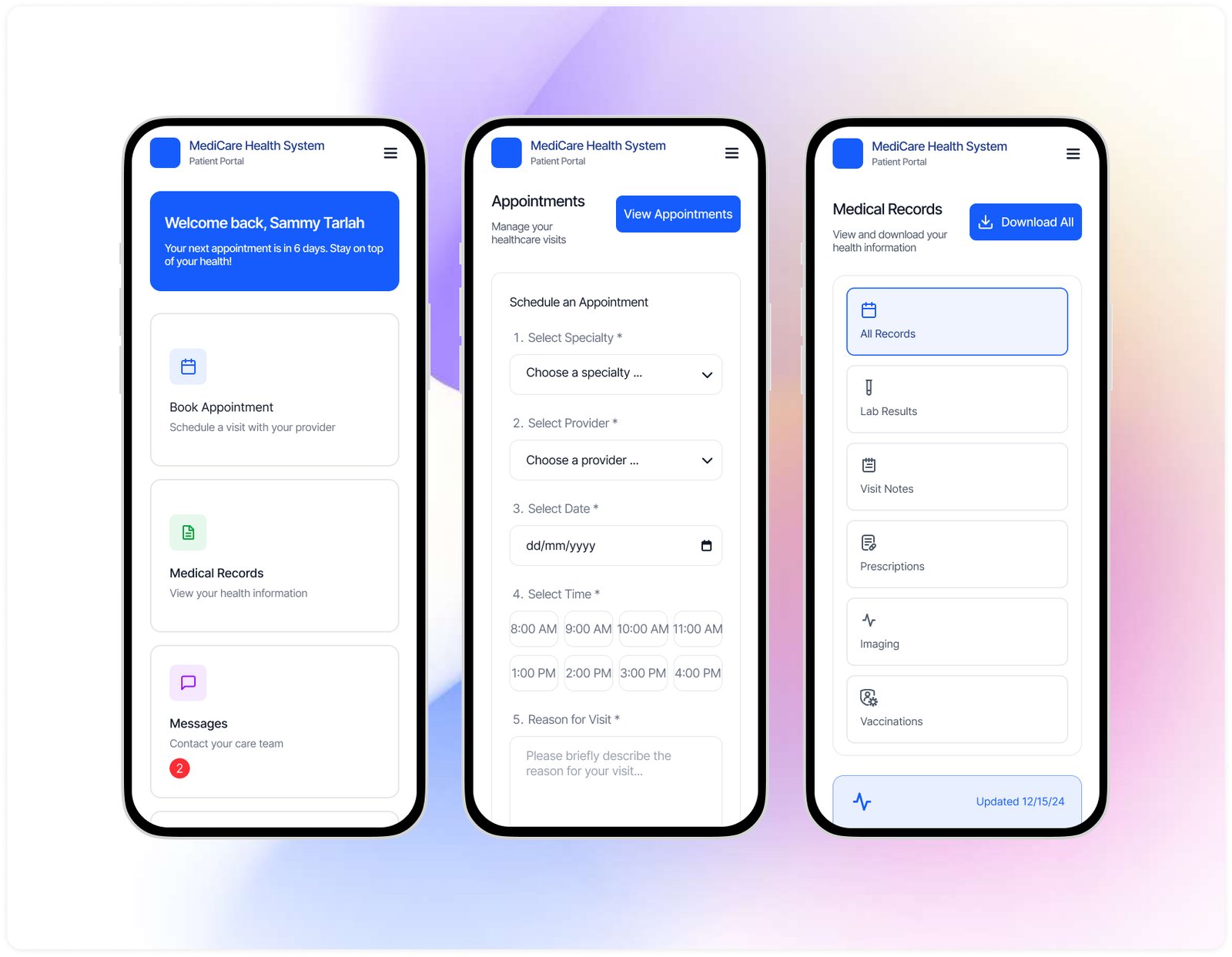
Many patients access healthcare on mobile.
The portal was designed mobile-first to ensure accessibility across devices.
Purpose: Central hub for patients
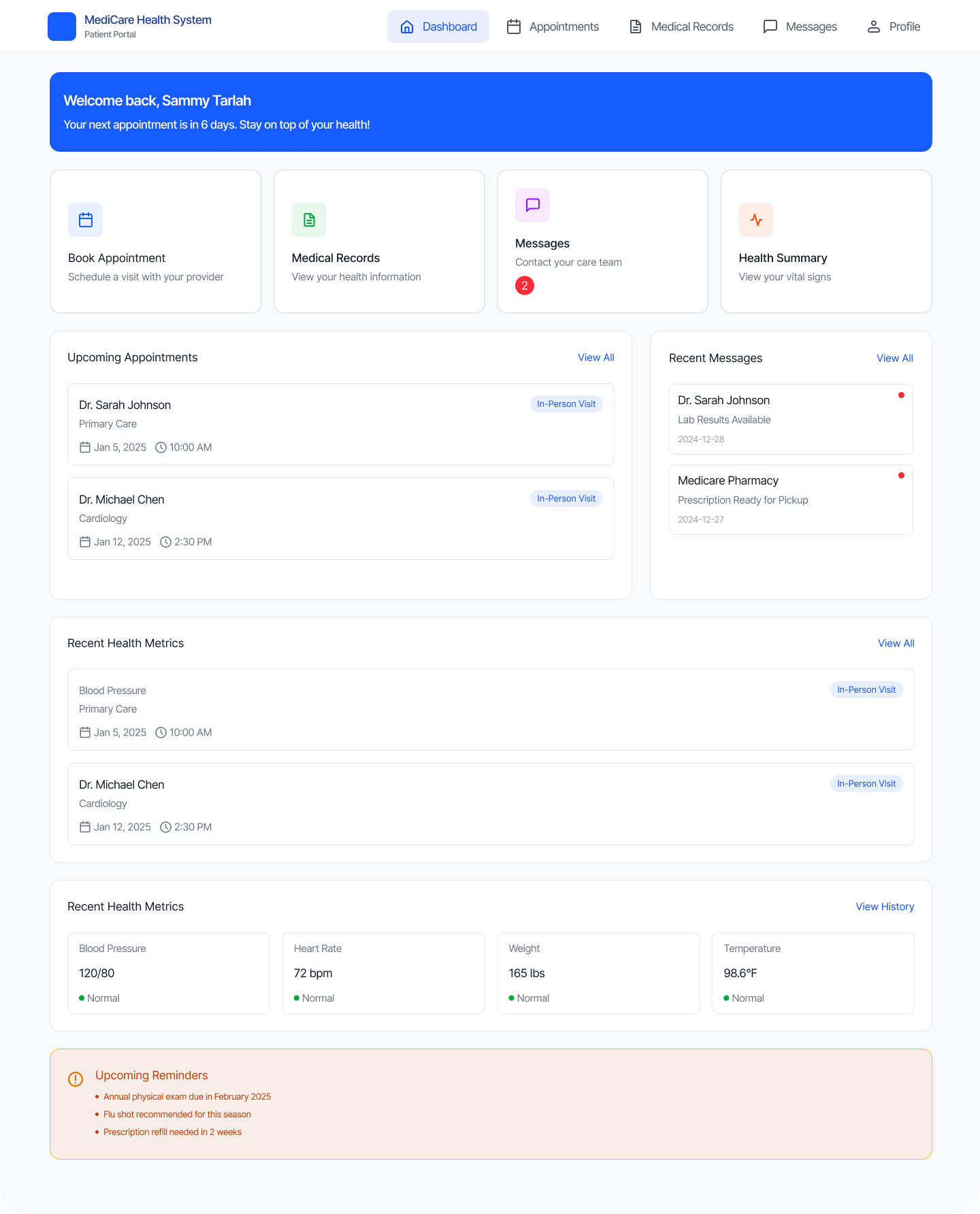
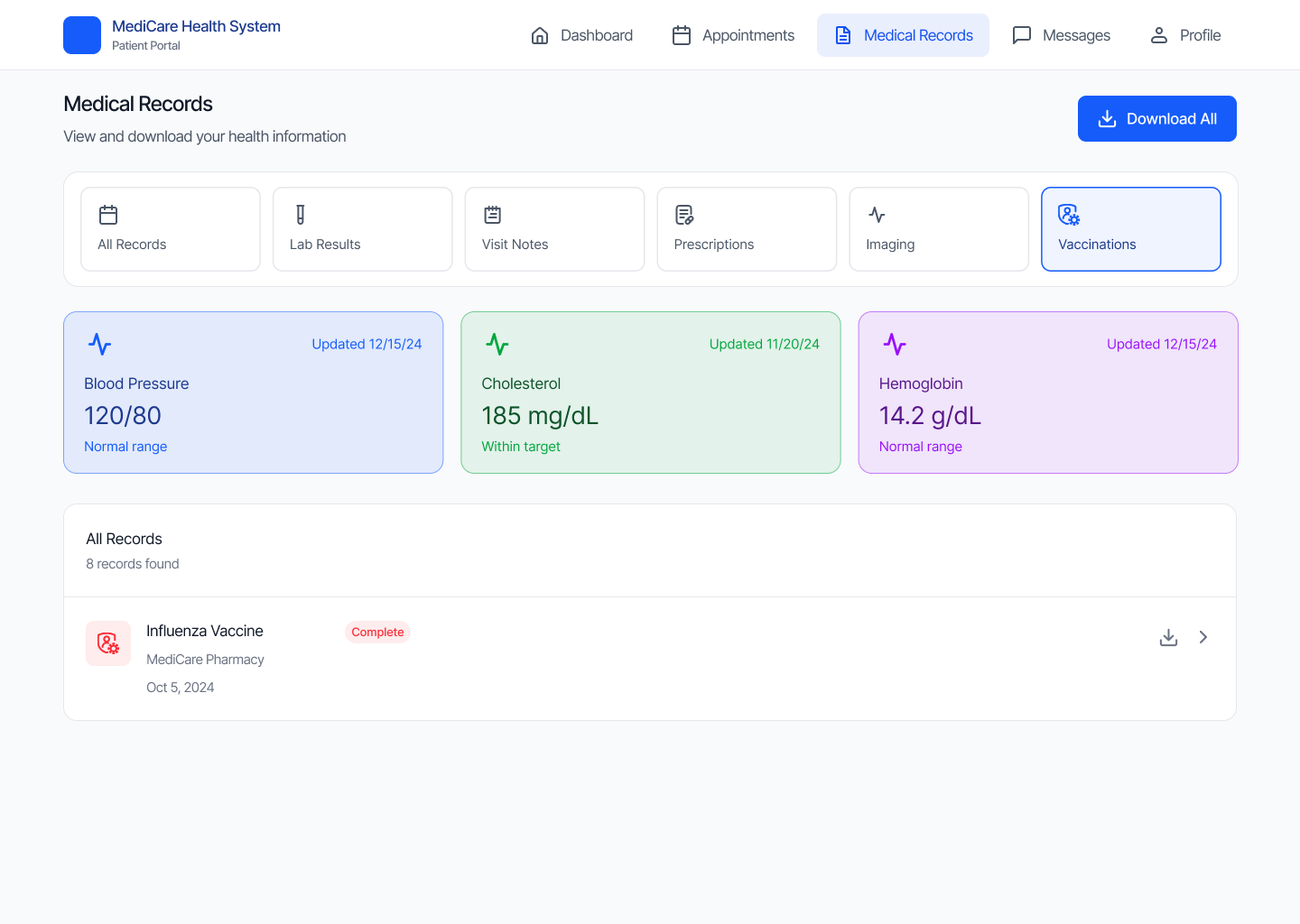
This demonstrates task simplification.
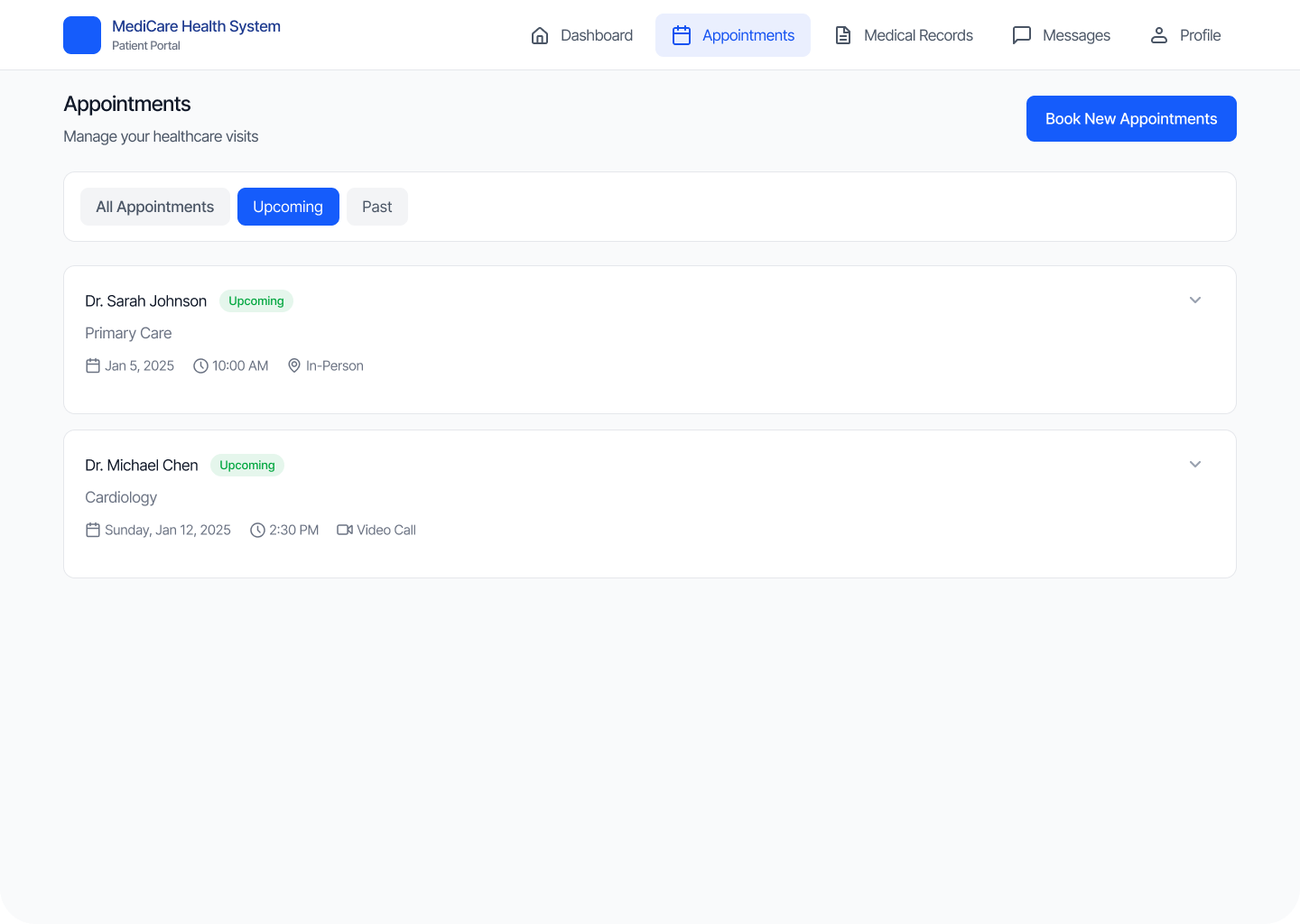
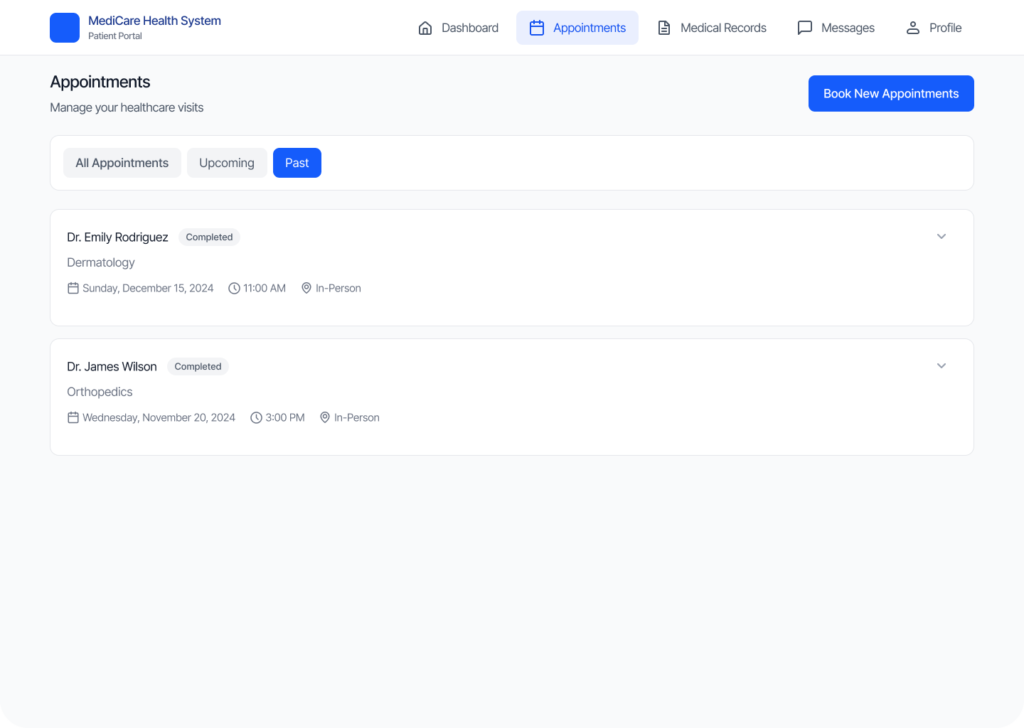
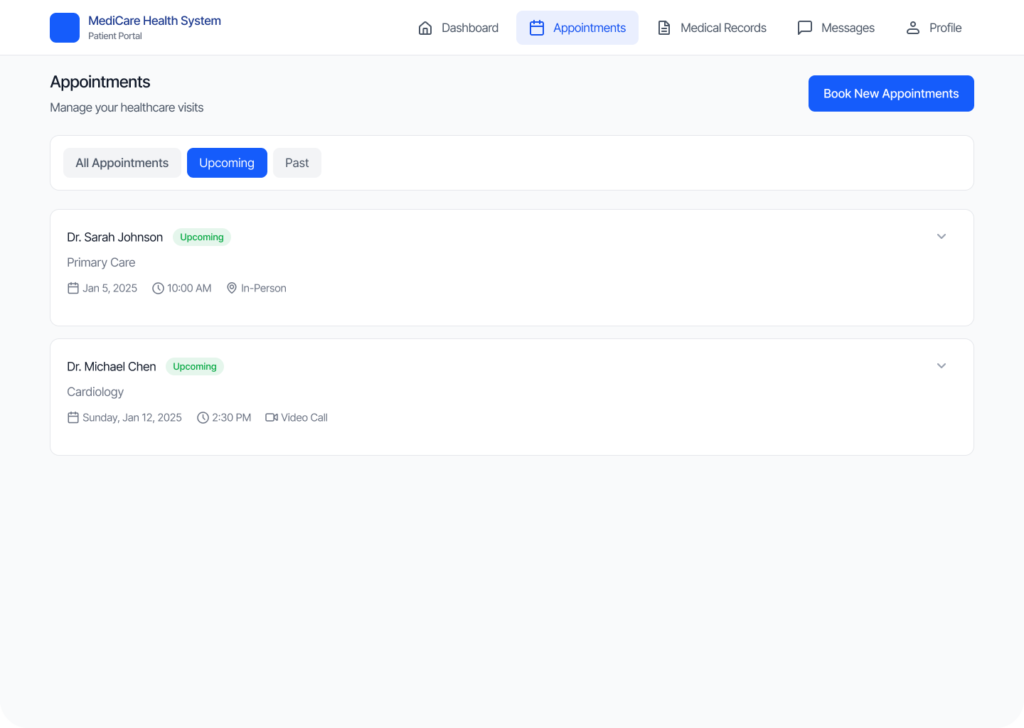
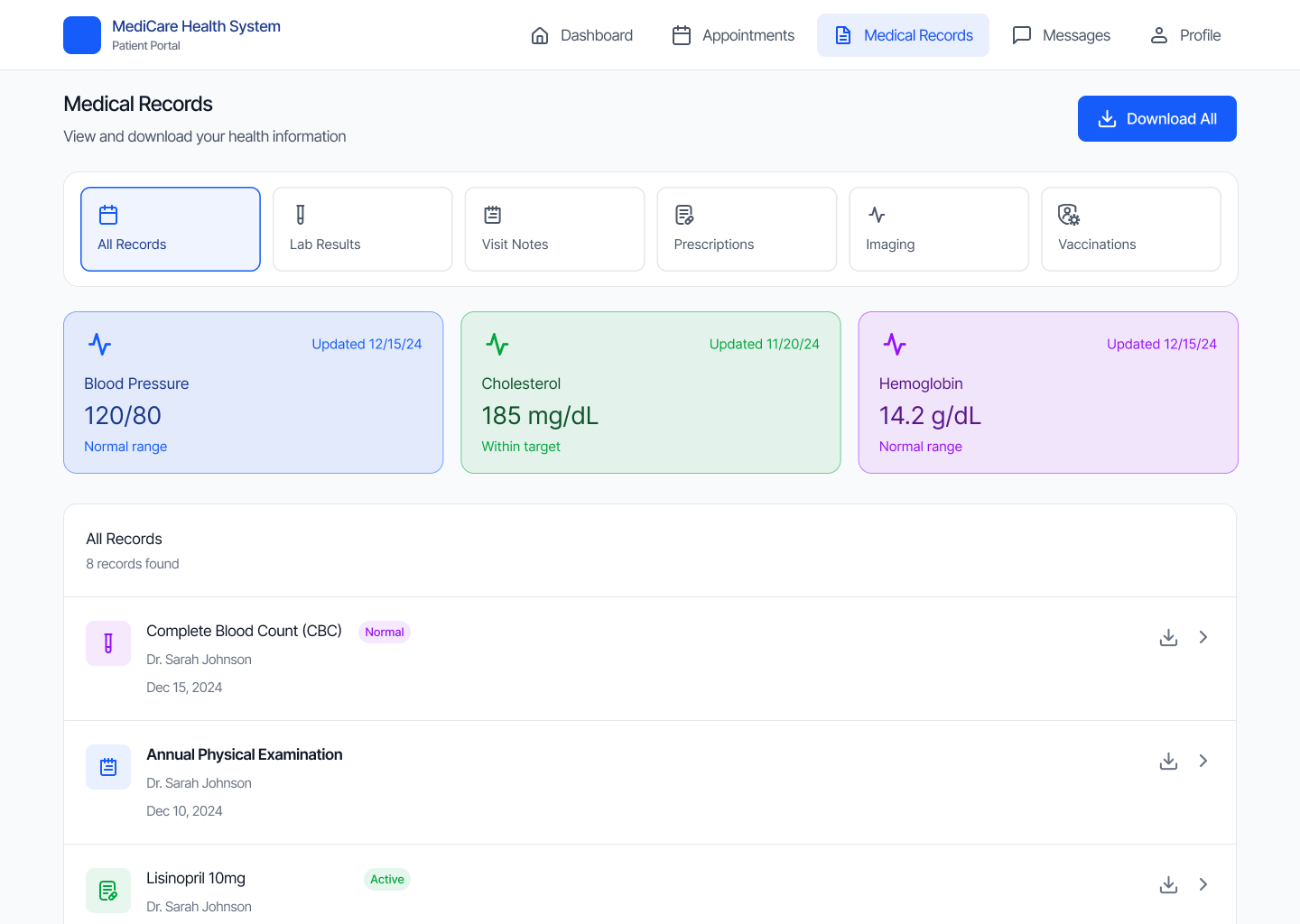
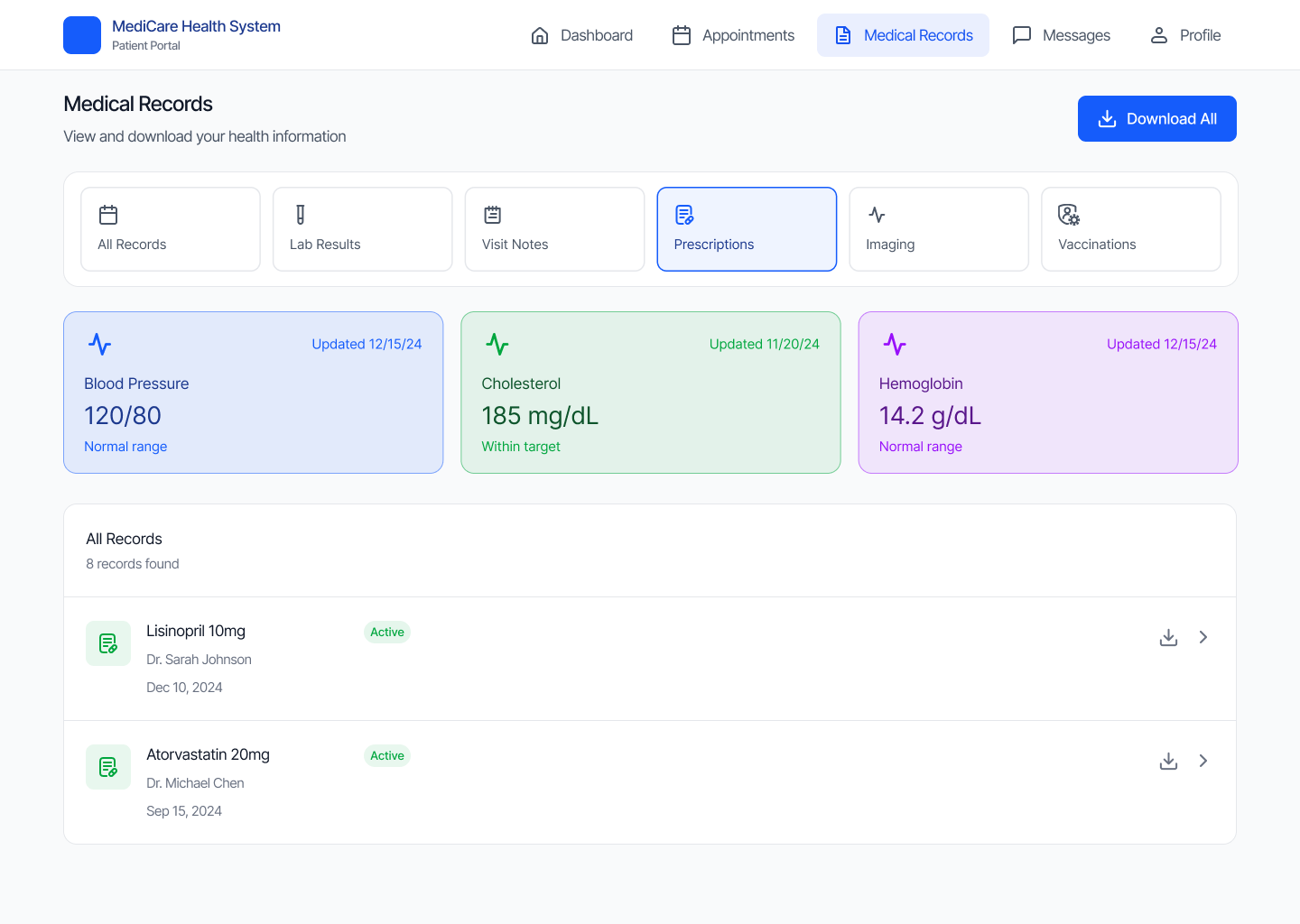
Shows clear information hierarchy.
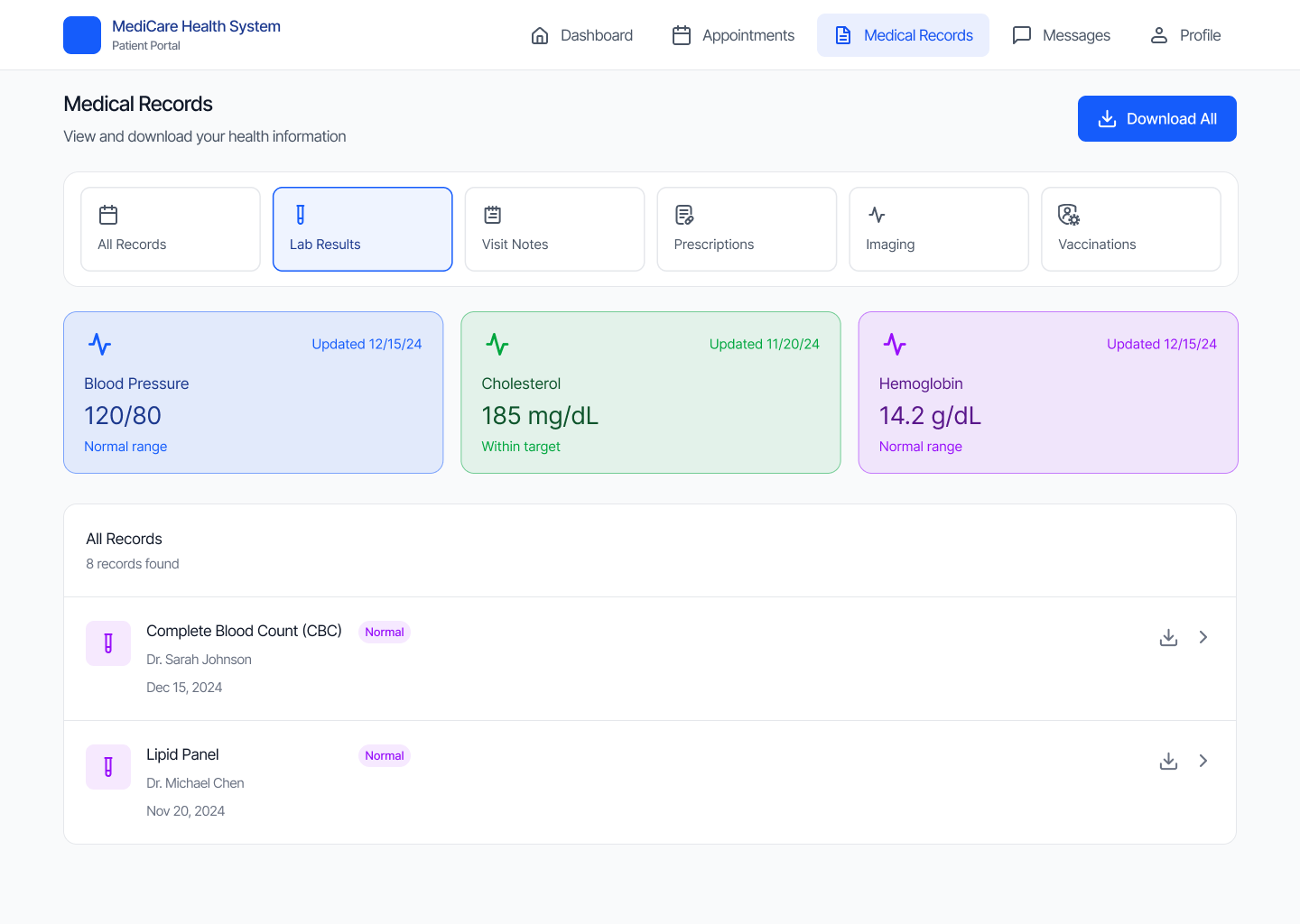
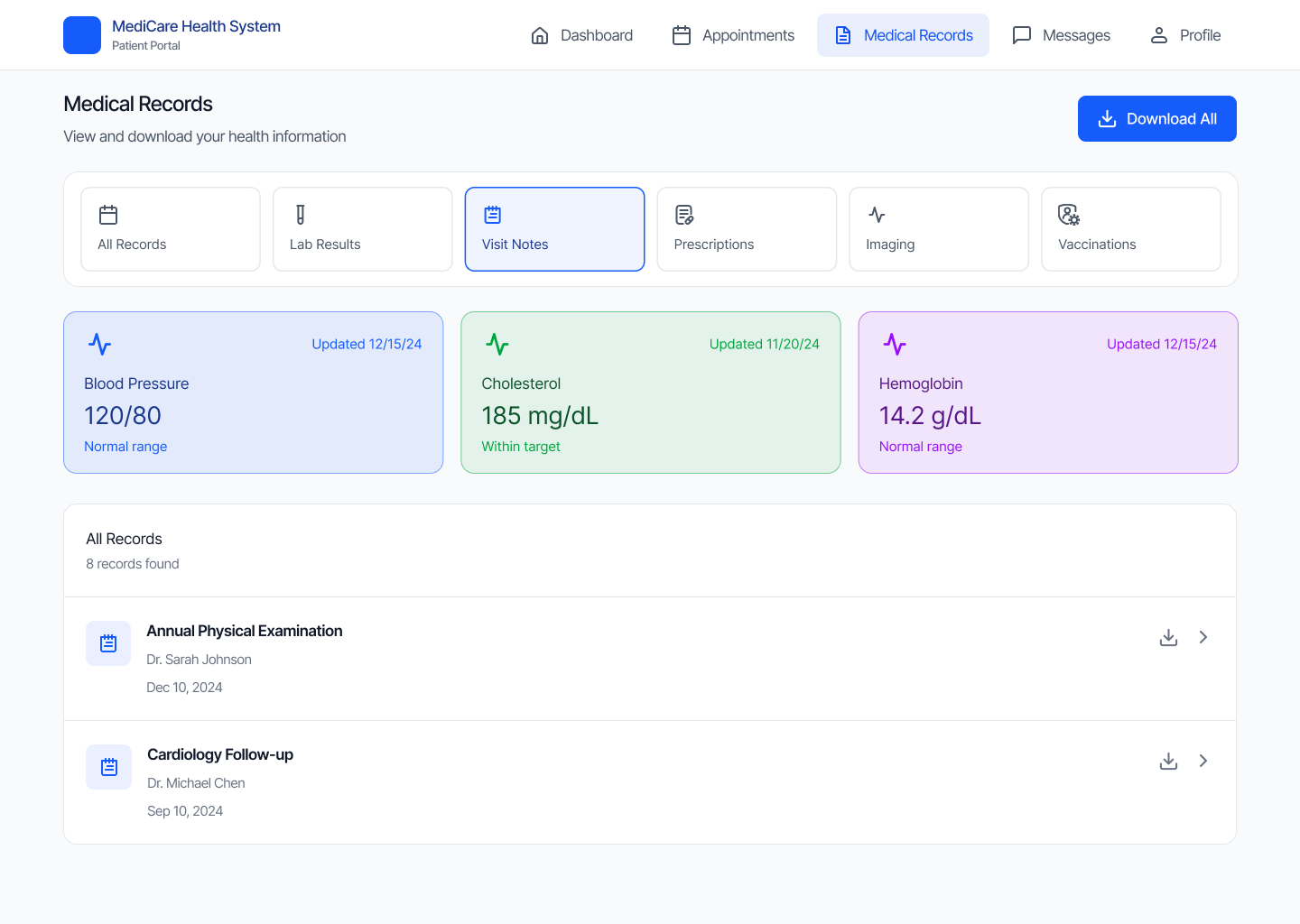
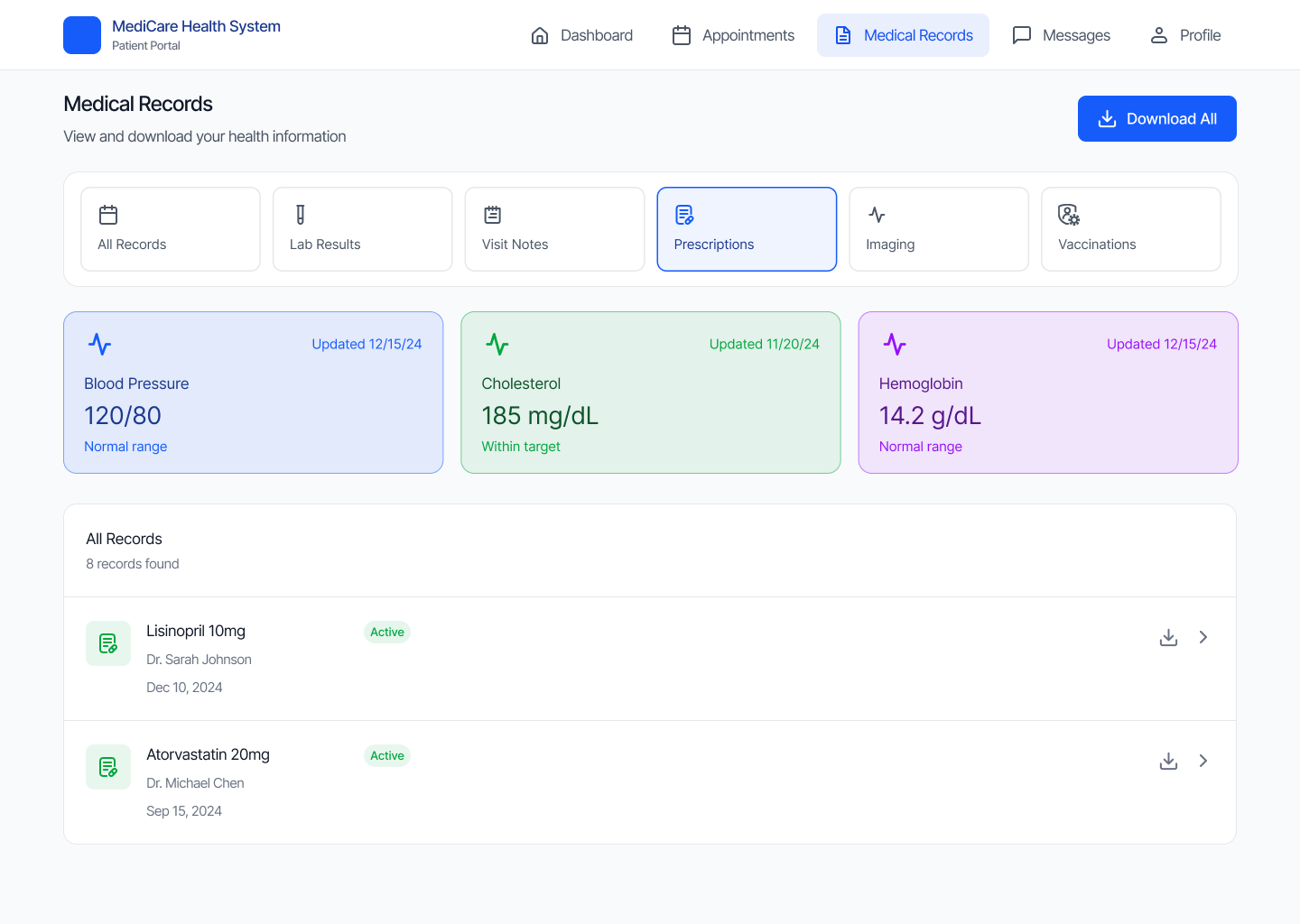
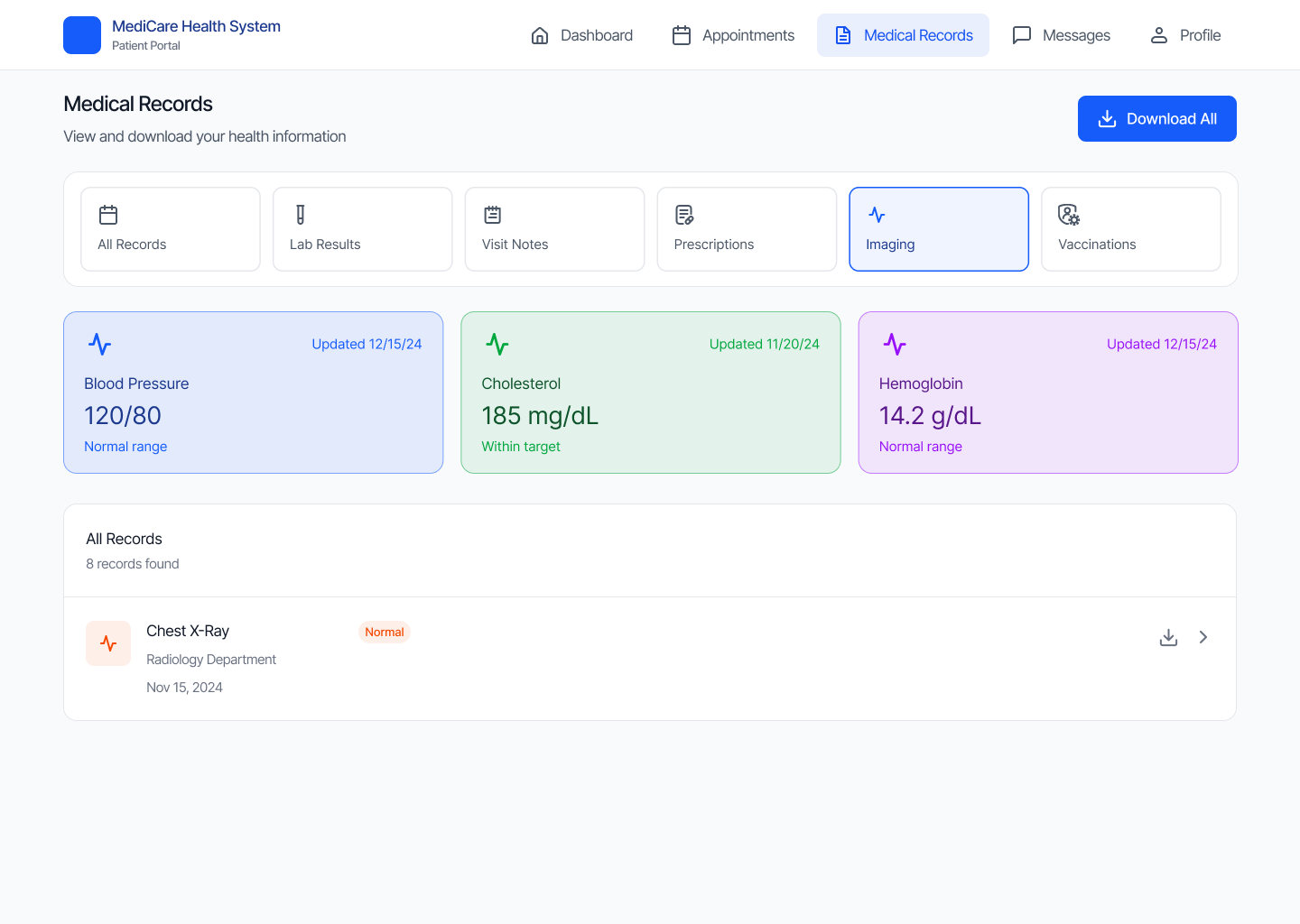
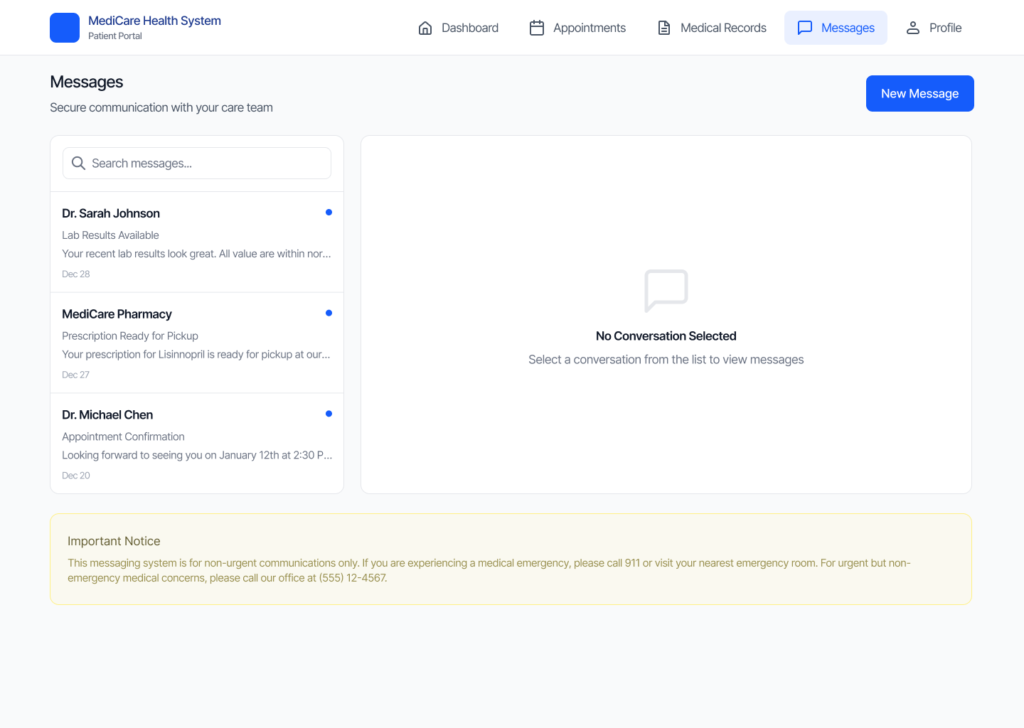
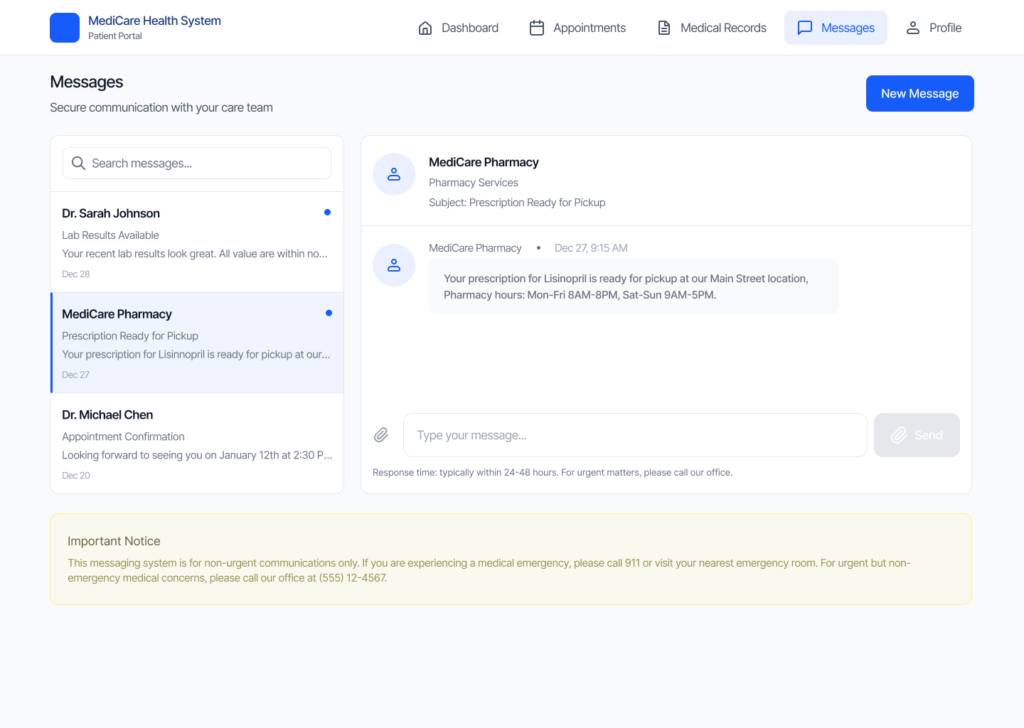
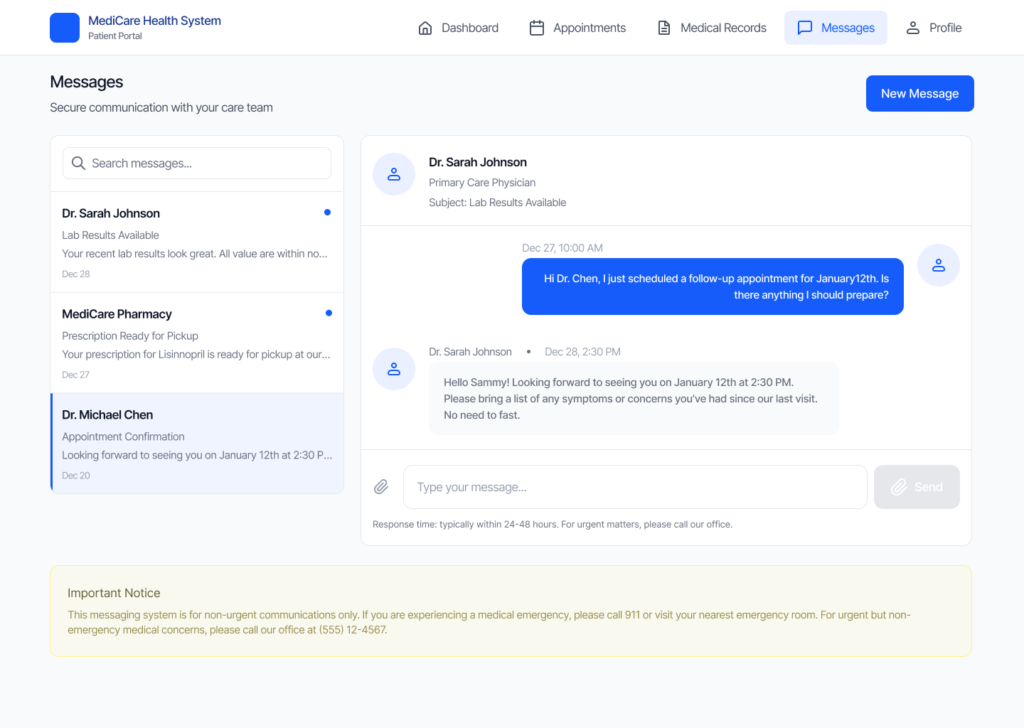
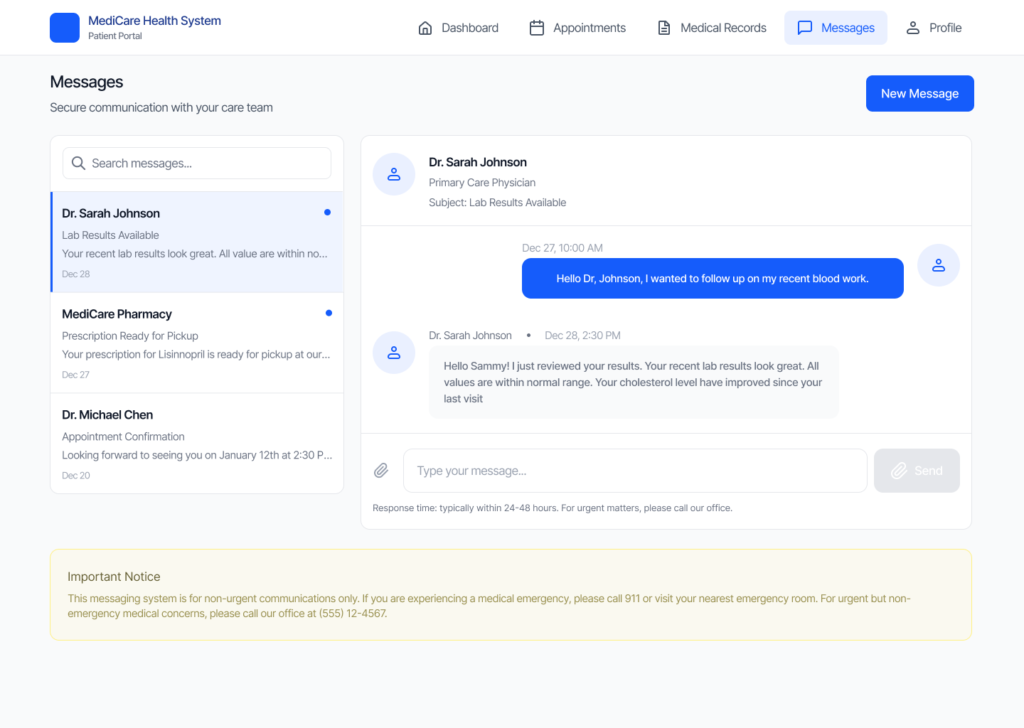
Patient-doctor messaging interface.

• Book appointment
• Find lab results
• Send message to doctor
• Request prescription refill
Booked appointments within 42 seconds
Find lab results within 32 seconds
Send message within 30 seconds
Refill prescription within 40 seconds
After implementation, the redesign aims to show strong improvements.
Patient portal usage increasing
Administrative calls decreasing
Patient satisfaction improving
This project reinforced the importance of designing healthcare experiences for accessibility and simplicity.
Key takeaways:
• Progressive disclosure reduces cognitive load
• Mobile-first design improves accessibility
• Simplifying core tasks drives adoption

Have a project in mind? I’d love to hear about it. Send me a message and let’s discuss how I can help bring your vision to life.
© 2026 Sammy Tarlah. All Rights Reserved.
Designed & Developed by Sammy Tarlah